
Prioritize the events that matter most.
Manifold assigns every validated event a risk score, helping teams separate routine driving events from incidents that need attention.
Focus your team’s attention on the highest-risk moments first.What It Does
From high event volume to clear priorities.
Manifold turns thousands of validated events into a ranked view of risk.
STEP 01
Score
Each event is scored based on severity, context, and “nearness” to a collision.
STEP 02
Rank
Events are grouped into clear risk tiers, from very low to critical.
STEP 03
Route
Teams can review, coach, or escalate the events that matter most.
Risk Tiers
A simple way to understand event risk.
Not every event deserves the same level of attention. Manifold helps teams know what to act on first.
- CriticalEvents that indicate a near collision or accidents.
- HighSerious events that should be reviewed quickly.
- MediumEvents worth monitoring or coaching.
- LowLower-risk events with limited urgency.
- Very LowRoutine events that usually do not need action.
Multi-Factor Risk
Risk is more than the event type.
Manifold looks at the full context around each event, not just the event type label.
Severity
How serious the event was.
Driving context
Speed, road type, traffic, visibility, and environment.
Collision proximity
How close the event was to a potential accident.
Event history
How often similar events occur across a driver or fleet.
The same event can mean different things depending on when, where, and how it happened.
Example Comparison
Same category. Different risk.
Manifold scores the context, not just the label.
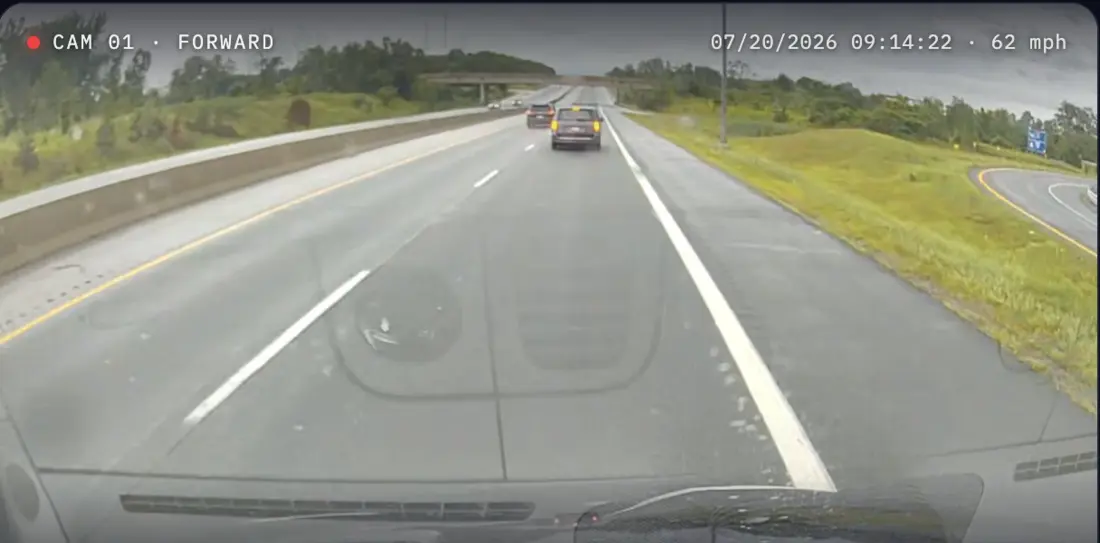
- Open highway
- Light traffic
- 3.4s following gap
HARD BRAKING
Hard braking
Open highway, light traffic, enough space to respond.
Very Low Risk
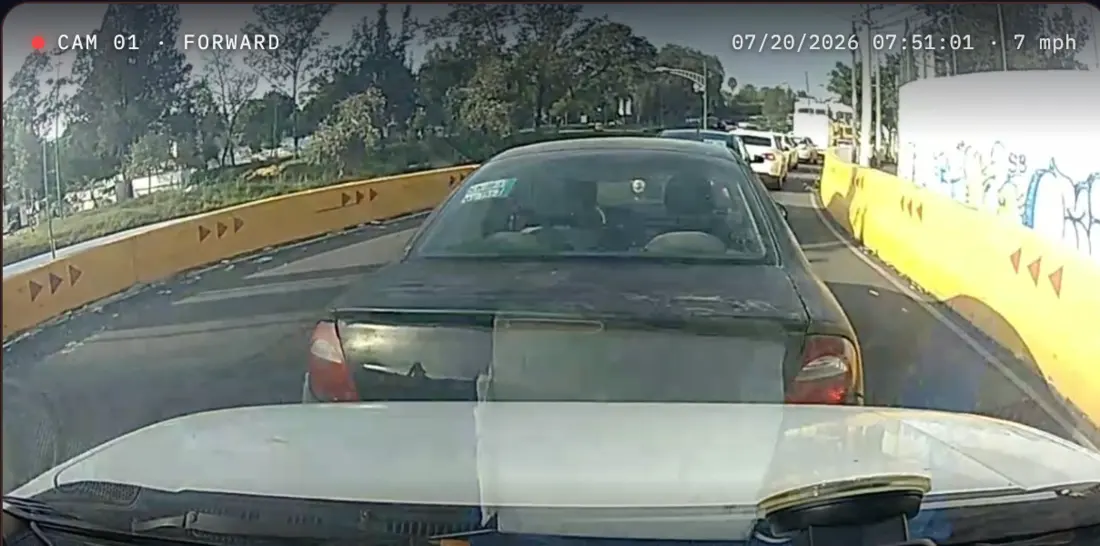
- Traffic congestion
- Lane departure
- 0.7s following gap
HARD BRAKING
Hard braking
Congestion, a sudden cut-in, and little room to react.
High Risk
Why This Matters
Better prioritization. Faster action.
Reduce review overload
Teams do not waste time treating every event the same.
Focus on real risk
High-risk events are easier to find, review, and escalate.
Improve coaching and claims
Risk scores help teams decide what needs coaching, reporting, or further investigation.
Event Risk Scoring
See the difference with scored events.
Turn validated events into clear priorities your team can act on.